
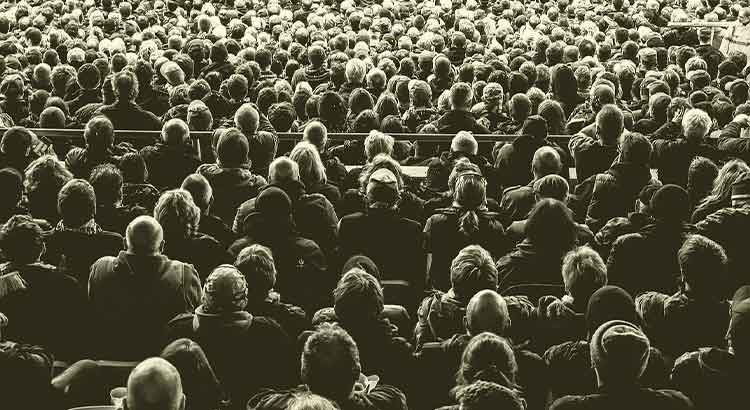
When one looks back and realizes that not so long ago it was great artists who ran the theaters, defined their schedule, and therefore determined the works with which the public would come into contact, one realizes that at some point in history the order changed and great art disappeared from the posters. With honorable exceptions, there has been a complete reversal: in the past, the theater director selected what the public would see; now, the public dictates what the director has to present. Thus, the same places once devoted to art have become houses of entertainment. It is as if the modern world no longer sees the educational potential in art, but concentrates on other interests. If a conclusion is needed, it is that high culture, although now more accessible, no longer knocks by chance on the door of those who do not seek it.
Category: Notes
The Artist Who Worries Too Much…
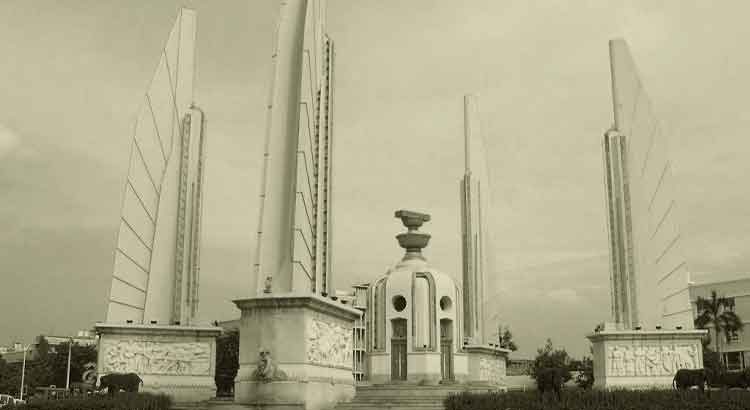
The artist who worries too much about the socio-political conjunctures of his time will soon find himself wasting his intellect with questions he cannot solve, that is, he will waste neurons uselessly and end up frustrated. Of course, this is not very intelligent… If there are issues of this nature that can affect him, the prudent thing to do is just to know about them, be prepared if necessary, and if they do come knocking on his door, adapts as best he can. So act, but only if he have no other option. And for the rest, do not worry about what he does not have control over, focusing on what is most important and what allows him a field of action.
The Impression One Gets After Reading…
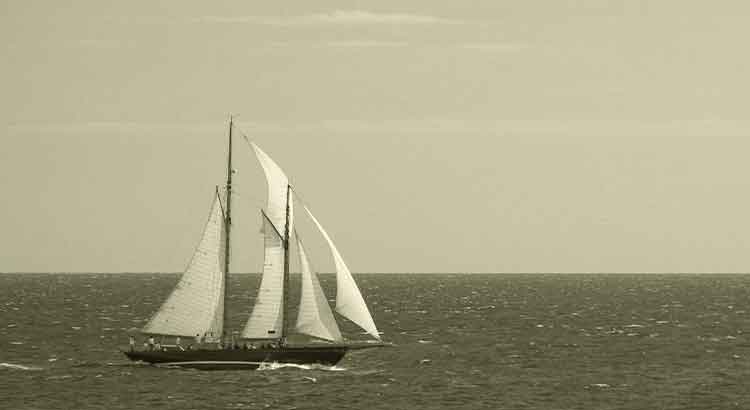
The impression one gets after reading several nautical novels is that man, in order to embark on a sailing ship, had to suffer from at least one serious mental disorder. It is very amusing to see how absurd the navigations of the past seem to us today, when ships were like toys exposed to the fury of the sea and travelers, harassed by the terrors of the storms, were on their knees before fate. This voluntary exposure to the unknown seems irrational to us, although it expresses a courage that we lack today. But the clash of the man with the irrational, the powerful and uncontrollable still exists; although we no longer learn lessons as before, nor do we leave with the same dignity.
Nocturnal Minds
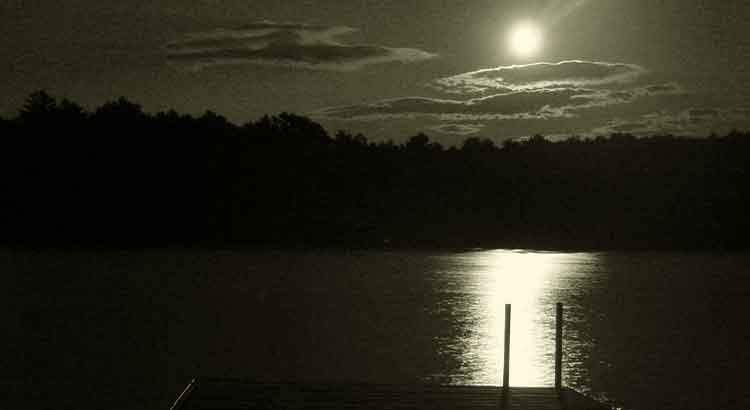
Cioran, Antero, Kafka… all endowed with a nocturnal mind, that is, a mind that, in opposition to daytime bodily habits, chooses the night to put itself in intense activity. Most nights, therefore, a real torture, an incessant conflict that only ends when the light already invades the bedroom window. The tired body asking for rest, and the mind having in the stillness of dawn the perfect time to work. Ideas bursting like firecrackers, reasoning that builds upon each other, scenes, judgments, afflictions, plans, expectations, all bursting forth, sucking attention when the desire is to annul them all. Then, already accustomed to it, the spirit begins to call good nights those in which sleep is like a semi-sleep—the maximum it can reach—a state in which mental chatter blends into a middle ground between dream and reasoning, already automated by an unconscious enchainment and only interrupted by spaced awakenings, in which a conscious glimmer questions the degree of its own lucidity. And from this apparently terrible routine, many, many fruits, solutions that would never be given in a fully awake state, ideas that, if not originating from the deepest recess of the mind, seem to be placed by the hands of a superior spirit. Very well, very well: it is possible to learn to enjoy nights like this—it is just not possible, for a mind like this, to be in a good mood in the mornings.