
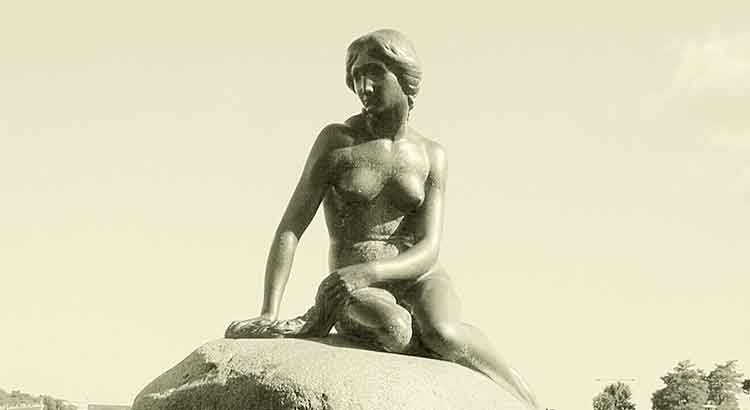
This most enchanting of mermaids, misanthropy, even seems to be fond of artists and to be, besides an object of worship, a primary source of inspiration to them. Beautiful lady: more than a mermaid, a muse! And I never cease to marvel at how useful are the barriers erected around the mind inclined to art. Vigny, and not Victor Hugo, and not Lamartine, was the one who personified the fullness of the poetic vocation. And worse for those who seek motivation among stones!
Category: Notes
No Matter How Much One Idealizes Style and Form…

No matter how much one idealizes style and form, both need execution to solidify and achieve an authentic unity. Once executed, or rather, during the attempt of execution, the idea becomes clearer and the artist evolves it until it fits his expressive intention. The spontaneous flashes that arise in the act of artistic realization, although they do not serve as a foundation, are often what brightens and makes a work worthy of the adjunct of art.
Exercicios espirituales, by Ignatius of Loyola
I go through Ignatius of Loyola’s Exercicios espirituales and I cannot help but imagine him composing them in the incredibly miserable conditions described in his biography. The comparison with Frankl is inevitable. If we confront the tenor of these lines, or rather, if we consider these lines as originating in the circumstances surrounding the author, we find an unbreakable psychological strength capable of almost superhuman feats. Finally, we see a method in the conscious effort to give meaning to the miseries experienced, in the continuous affirmation of a vow, in the overcoming of limits, in the transformation of the mind into an indestructible fortress. These Exercicios attest to Ignatius’ absolute victory over his surroundings and himself. Admirable lines!
The Biography of Ignatius of Loyola
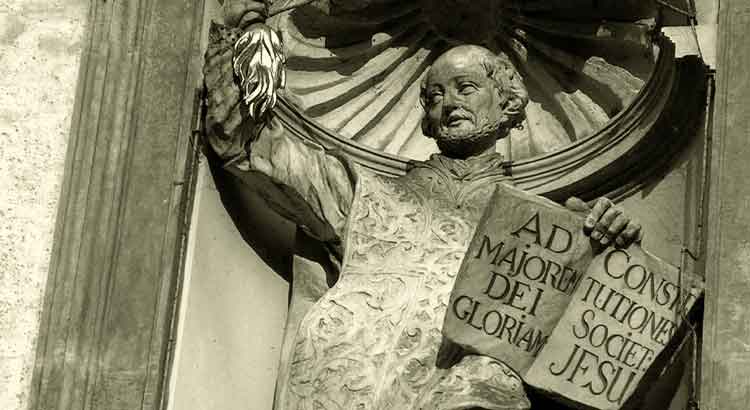
The biography of Ignatius of Loyola seems fictitious. To read it in this century, to read it in the West, observing what the West has become, its great cities, its concerns, is like putting oneself in front of an absurd narrative. It is amazing the simplicity with which stupefying facts are presented in this “Autobiography”, written by Father Luís Gonçalves da Câmara, who limited himself to transcribing what he heard from the mouth of Ignatius. A few times, we read that Ignatius risked his life during his trajectory, but the impression we get is that, since he left his father’s house, he was always under constant threat. Imprisonment, trials, persecution, sickness, incredible poverty… it is hard to imagine harsher conditions for this man reputed to be a saint. The mere fact that he passed the sixth decade of his life, as he did, already seems to us, unaccustomed men, a true miracle.