
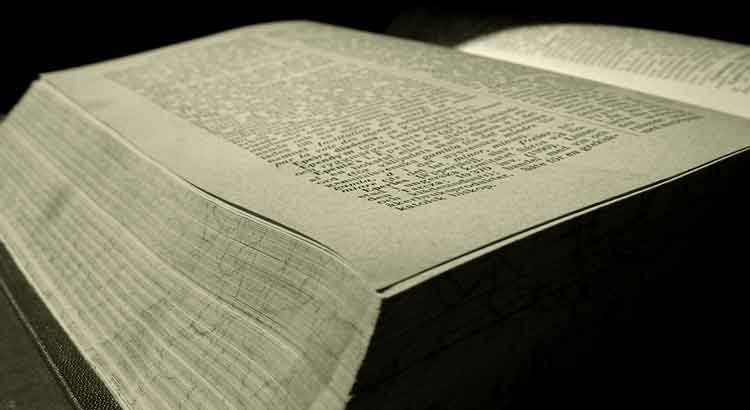
It is a real shock to come into contact with the pages of Jakob Boehme. The first impulse is to ask: how is this possible? The mystical universe that permeates his lines seems unthinkable, inconceivable, imperceptible to the average human being. Where does such ingenious imagination come from? Whence is this conception of life that brings the banality of the concrete to its knees, making what the eyes can see ridiculous? The notion of the ultimate meaning, the vision of paths, the philosophy that implies a conduct… all these manifestations of a luminous and respectable spirit, of which I refuse to make a value judgment. But what is most astonishing, what paralyzes the mind and throws the brain into perplexity, is to be aware, at every page, that the author of the lines was a shoemaker!
Category: Notes
If There Really Is a Hell in Which Hypocrites Suffer…
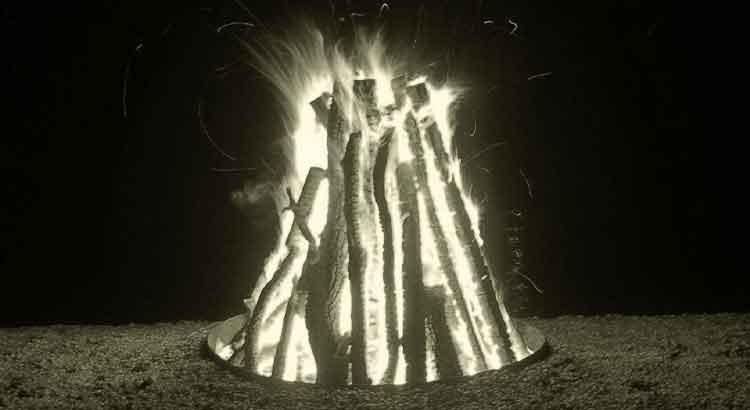
If there really is a hell in which hypocrites suffer, let modern society know where it will unleash its word and implement its conventions. Hypocrisy is the substance of this so-called marketing age and is ingrained in the very core of its foundation. Without hypocrisy, there are no social relations anymore: it is by it that modern man displays his intelligence and good manners. “Age of marketing”, and hypocrisy is a beautiful definition of marketing. The world would be more honest if the good worker would say, “I work with hypocrisy management”. But of course he never will. The good worker cannot even be honest with his fellow workers, with his neighbors, with his friends, with his family… Can hell hold so many people? On the other hand, there are two paths for the modern non-hypocrite: (1) operate a total annihilation of social relations or (2) live normally, under the penalty of being widely hated in all circles, if not unemployed or beggar. Outside of this is history…
Swedenborg’s Visions of Heaven and Hell
Several things can be said about Swedenborg’s visions of heaven and hell, except that they are the work of a deceitful spirit. Swedenborg possesses the supreme virtue of sincerity: he does not try to delude, he does not try to hide, he opens his soul and tries to express himself as clearly as possible—that is, he is a loyal spirit. That is why, above all, he does not deserve to be ironized. In cases like this, the irony is nothing but a creeping manifestation…
According to Swedenborg, I Will Not Be Accepted Into Heaven
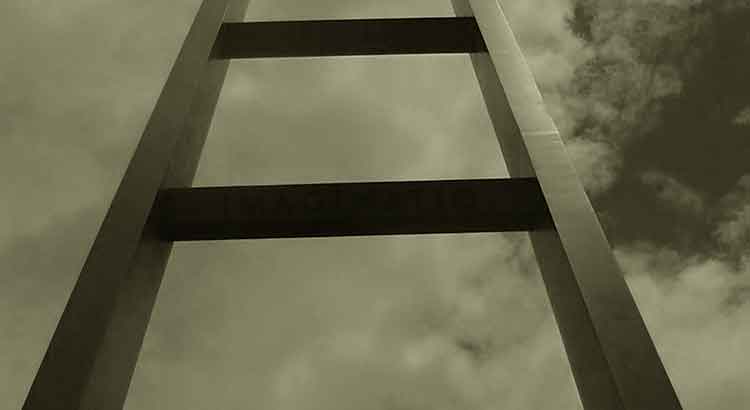
If the didactic explanations of this curious Emanuel Swedenborg proceed, I will not be accepted in heaven. I will not be, and I add: under no circumstances. If not heaven, then… But I reflect: do I necessarily have to be accepted somewhere? Am I forced to yearn for acceptance? Am I condemned from the start to beg for being accepted? If so, the possibility of complete rejection is excluded: someone will have to accept me—and I, naturally, will also have to accept those who accept me: all deprived of volition, condemned to forcibly join a group. Disappointing…