
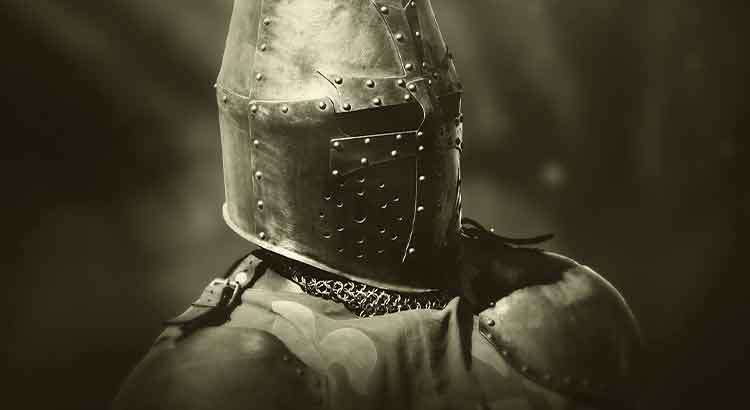
It takes an ophidic coolness and very solid values to, in an extreme situation of imminent risk, reflect in an instant and make the right decision. Situations like these, where a man finds himself on the threshold between cowardice and courage, are often keys to a biography, and their effects last for as long as a life is extended. It is like the hunter who, with his rifle unloaded, is surprised by a hungry tiger: the shot imposes itself, and there is no avoiding it; the gaze fixed on the beast shows a false move to be death; and, with a racing heart, the man has to decide.
The Freedom to Think
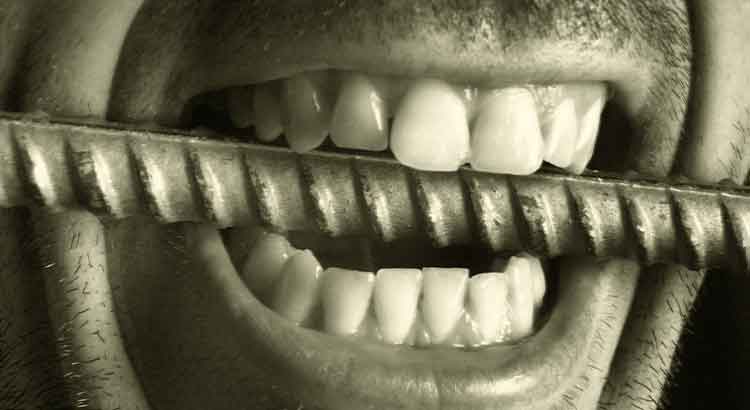
It is true: nothing seems so intolerable and so revolting as the oppression that wants to take away from man what is perhaps the only thing truly his: the freedom to think. Such violence is nothing but an onslaught that, when carried out, results in the annulment of the individual. A whipped, mutilated or violated man does not lose, in any way, that which consists in his essence, therefore these aggressions seem much lighter when we confront them with the suppression of his thought. That is to say: man, forbidden to think freely, loses his human dimension and comes close to being an animal.
Honor Claims Civil Disobedience
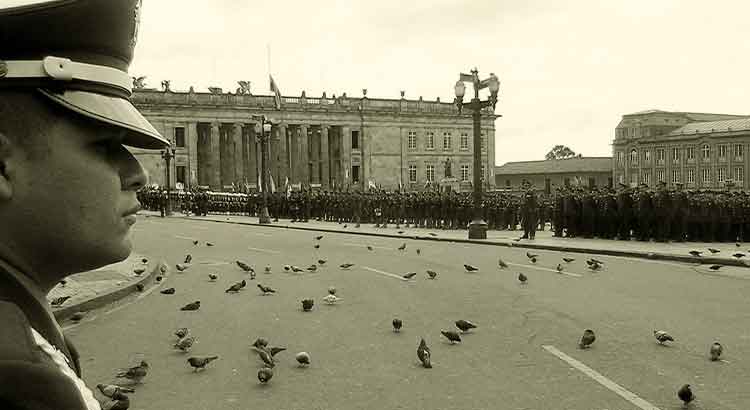
There is, as Thoreau says, a time when honor claims intransigent civil disobedience, even though the punishment for such behavior is jail or the gallows. This thing called democracy perhaps sums up its value in having replaced declared tyrannies, or rather, in having the knowledge of the latter made “democrats” out of many men of valor. So we see that, in practice, tyranny has done nothing but change its name. It is impossible not to think of Kafka when we confront such democracy with the solitary individual. If we think, for example, of the immense oppressive power of the State machine or, more specifically, of the enlightened ones in robes, who enforce whatever they want, we see on the other side a nothing on his knees, tied up and under the double threat of the whip and the gag. Yet now, in a mix of Kafkaesque plot and nuances of Orwell and Huxley, oppression is delivered in packages as affable as they are false. To understand it and accept it willingly is to throw honor and the faculty of thought in the trash.
There Is a Tension that Precedes Moments Known to Be “Important”…
There is a tension that precedes moments known to be “important” that not only disturbs the mental balance, but accentuates the propensity to sudden and radical acts. It is as if this apprehension displaces discernment and puts the mind in a state of alertness that resembles that of the soldier on the battlefield, always on the verge of a violent impulse. So that besides it is just being cautious when experiencing it, more important is attention to, noticing it in other people, not being stupid enough to trigger it.