
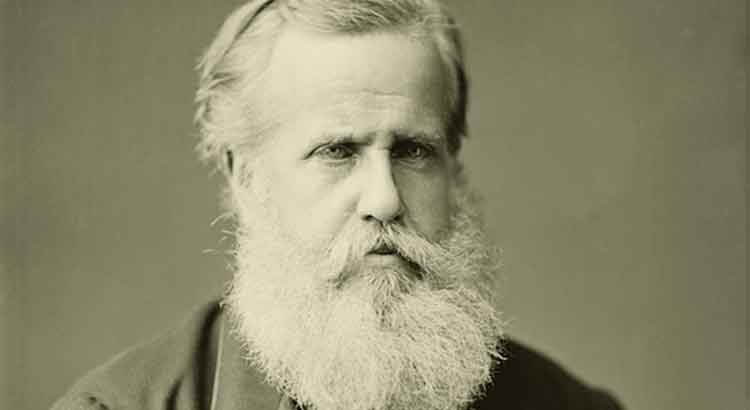
D. Pedro II, this man whose life contains a moving tragedy, a tragedy that became even more accentuated after his death, was not capable of putting it in a fair measure in the few verses he composed. They are weak verses, almost innocuous for someone who does not know his biography. But someone who knows it, and imagines the state of atrocious sadness in which they were written, the immeasurable grief of the man whose virtue was paid for with the most revolting injustice on the eve of his death, this person will forgive the aesthetic defects and will sincerely sympathize with the author’s misery. But here lie two moral problems that are hard to admit: the first, that art is indifferent to the sincerity of the author—in art, the most skillful may surpass the most sincere, even if his art amounts to a complete falsification of himself;—the second, that the moral elevation contained in the work matters little, as does the character of what it evokes. It is regrettable… The drama of D, Pedro II is the drama of a Camões, but of a Camões wronged in life and not rewarded by history, that cursed insensitive in which were deposited the last hopes of the noble soul corroded by grief. Would it be different if the verses were better? How useless to answer it…
It Is Truly Amazing How the Years…
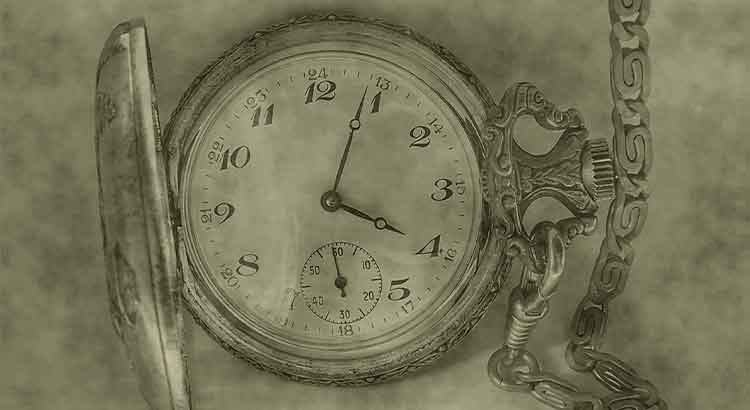
It is truly amazing how the years, which seem like nothing, which pass imperceptibly, disfigure reality to a point where there is not a single remnant left of what once was. So close one century to the other, and sometimes so disparate as to be unrecognizable. Anyone who makes a thorough analysis of the customs of past eras will be amazed, to the same extent as if someone from the past could catch a glimpse of the future. In both cases, a mixture of strangeness, repulsion, incomprehension and astonishment. Astonishment because, in theory, the human species has always consisted of men. However, for sociology, it is possible to describe men from different times as distinct species.
Mastery in an Occupation Is Conditioned to the Starting Point

Nietzsche said somewhere that mastery in an occupation is conditioned to the individual’s starting point, more specifically, to how much he receives as a legacy. So for the son desirous of eminence, it is recommended that he follow in his father’s footsteps. There is a good deal of truth in this; but, as always, the exceptions are more curious than the rule. What a wonderful sense of the irony of fate in placing a Nietzsche as the son of a Protestant pastor! and a Cioran, growing up the son of a priest! From these and other examples we note that eminence, besides the enhancement of the legacy, also accepts violent rupture as a starting point.
To Be Normal…

To be normal, absolutely normal, one must first go to a psychologist. Only he is capable of putting a lost soul on the path to normality. Next, one must live in such a way as to spend at least half of one’s useful time working. Every day, one must expose oneself to the salutary radiation of a television. Remedies for anxiety, depression, and cholesterol should complement a diet centered on industrialized products. Social injustices should inspire the deepest indignation, and the State should be obeyed regardless of the circumstances. Next to the pillow, a self-help book. And the mind repeating the mantra: “I can”.