
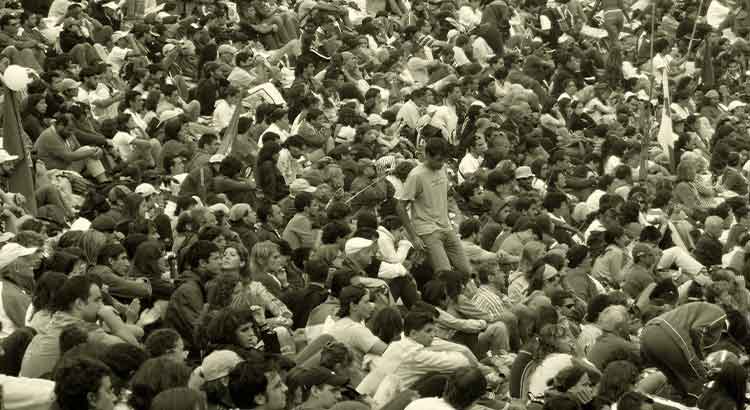
So abundant and so ancient are the narratives that thoroughly expose the perverse and regular oppression operated by the majority against isolated, helpless individuals, who suffer like martyrs never to be unredeemed by history, that it seems absurd, even today, that majorities are considered to be emissaries of good sense. From this clamorous lie, one would expect men to rid themselves, even if out of necessity or shame. Curiously, the nonsense persists and grows stronger. How to justify it? Explain it, Carlyle! How to reconcile it with your theory of the burial of lies? It seems that, in this world, injustice does nothing but change its mask occasionally.
It Is Fabulous to Note That the Ordinary Man…

It is fabulous to note that the ordinary man, methodically doing what he does not want to do, does not live to use all his strength in an attempt to break this unpleasant cycle. It seems that the faculty of seeing possibilities has not been equally distributed among men. Very few are those who feel the pulse of dishonor in surrendering to the convenient. From this, what to conclude? … that it is natural to be beaten inert instead of moving in order to get rid of the blows? Oh, rational being!
Each Epoch Has a Peculiar Pair of Lenses
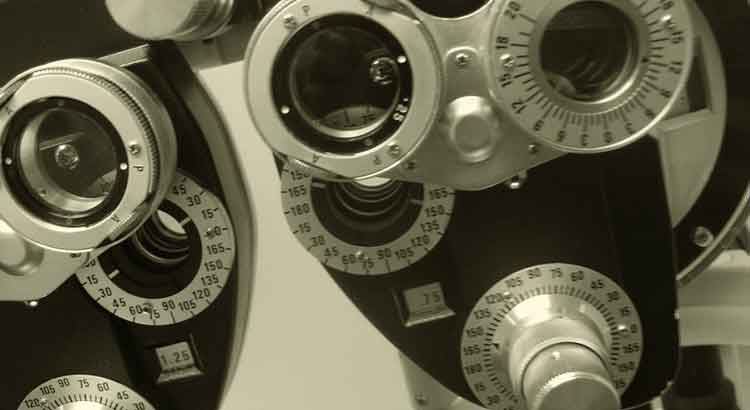
Although, essentially, the human tragedy repeats itself over the centuries, the variations in the scenario, the characters, and the plot are striking. It is as if each epoch had a peculiar pair of lenses. That is why the artist, in complying with the fair recommendation to “belong to his time,” must be very careful not to lose sight of the timeless. In the same way, the particularities of a scenario can generate interest and boredom: everything depends on the proportion in which they are balanced with features that will not wear out over the years.
The Greatest Human Creation of All Time
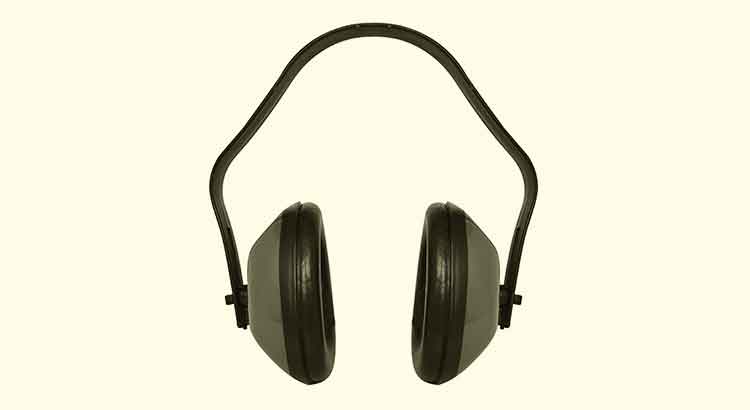
Whenever a man tries to concentrate, something happens to get in his way: this fundamental law of the universe has been tested by me infinite times, and I have always verified its validity. I have analyzed it with more thoroughness than any scientist, and I say without hesitation: it is infallible and has no exceptions. Almost always, the universe sends the human voice as a disturbance, in its most diverse and detestable manifestations. That is why, to me, the greatest elevation of spirit in the history of mankind was that of the —anonymous!—guy who invented this marvel called the acoustic muffler, noise muffler, ear protector, or portable peace—this last name, of course, is how I named it myself. Designed to protect workers who are subjected to noise that can make them deaf, this magnificent invention symbolizes man spitting in his hand and nailing it to the face of the universe. It is the greatest human creation of all time! May this genius, this saint, this enlightened man that history has forgotten be blessed for all eternity!