Hatred Consecrates More Often than Love

It is curious to note that hatred consecrates more often than love. And it is curious to note how human stinginess initiates and closes the arc of the artistic work: it motivates aggression and whips the aggressor. I wonder if there is art among angels. Perhaps. But being man as he is, earthly art can never be different from what it always was. And envy and hatred will be forever, on earth, the medals awarded to the progenitor of great art.

____________

Read more:

The Desire for Agreement

Few instincts are as pernicious to social relations and especially to the personality of the artist as the desire for agreement. Firstly, because this is a manifestation of vanity. Secondly, because of the natural implications: useless discussions, free antipathies and strengthening of attachment to one’s own ideas. All this is poison for someone who wants to cultivate friendly relationships and, worse, to give rise to artistic work. Living with the dissident is not only mandatory, but the world is better because two people do not think alike. And about the artist: what does he have to do with the opinion of others or with his own opinion? Wishing to agree will make him an egocentric, blinkered, inclined to use art to adorn his own convictions. As an artist, he will inevitably fail, since the desire for concordance is a stain that, in contact with art, impregnates and does not come out.

____________

Read more:

The Bureaucrats’ Resistance

I admire the resistance of the bureaucrats. In the world, there are many bureaucrats. Ten, fifteen, thirty years performing exactly the same functions, fulfilling the same processes, satisfied and proud of their own experience. The serious countenance at work, the words filled with security, skill, precision. Experts in reports, forms, formal requisitions. Masters in procedures, specifications, certificates, regulations, minutes… I admire the resistance of bureaucrats, for I cannot imagine myself in such a universe but in despair, extreme frustration, eager for death. Filling out forms for thirty years? Please, please, give me the same hemlock as Socrates…

____________

Leia mais:

About the Pest

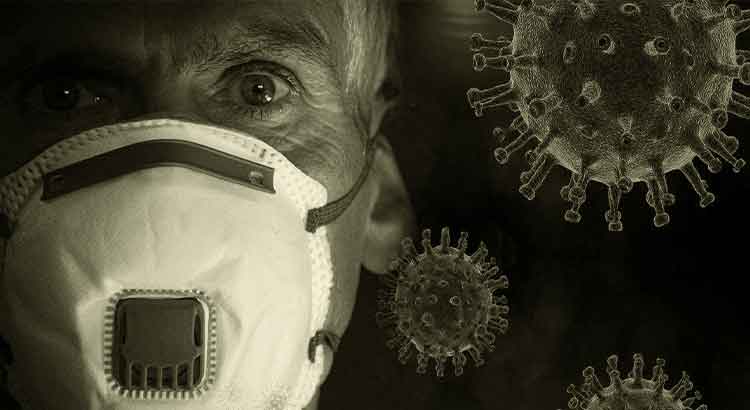
As usual, the contingency exposing the fragility of man, baring him completely. Its natural reflexes: fear and despair. So, nothing new: corpses have always scared. However, perhaps the new pest has exposed a fresh mass phenomenon: the dependence on work. I say this because I see those who, forcibly cloistered, scream when they see their lives emptied of meaning, i.e., if there is no work, what remains of man?

We talk here about a class that at least has some purpose in life… But here is what the pest illuminates, despite the obvious modern economic and social fragilities: the profession-oriented life involves an obvious risk, aggravated gradually by time, of converting into a fatal disease the emptiness of the hands that watch the work flow through their fingers.. Hands that, retired, can find on a rope their only relief.

____________

Read more: