
Another by Pavese: “La letteratura è una difesa contro le offese della vita”—I add: not only a defense, but an answer. Perhaps because he did not see it and, at some point, thought that the defense was useless, Pavese resorted to suicide. Suicide only serves as an affirmation for the artist who, for a moment, completely loses hope in art. By killing himself, Pavese renounced his genius, the possibility of recording in literature the uniqueness of his experience; he finally assumed the uselessness of art, its inability to overcome life while filling it with meaning. In short, this is the judgment the poet bequeathed us.
Tag: literature
“Heroes” Worthy of Contempt
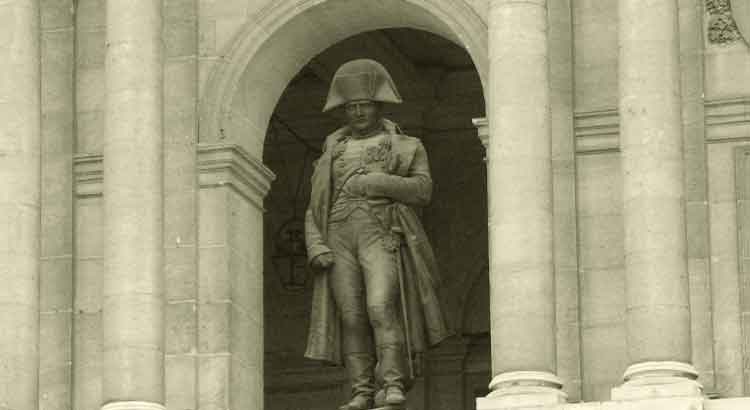
The way in which, in War and Peace, Tolstoy repeatedly scorns the “military genius” who left Russia destroyed, and all his vile admirers, is an overwhelming demonstration of his nobility and moral high-mindedness. The disservice historians do by idolizing murderous madmen, slaves to the most abject ambitions who made human flesh the springboard for their petty desires, presenting them as superior creatures and models of virtue, is worthy of total repulsion. Such historians, mediocre bootlickers, often find the admirable in perverts responsible for astonishing carnages, and narrate it with the pomp of a patriotism clothed in honor—but they are the same ones who, in life, sell honor for public praise and beg on their knees for acceptance.
This Business of Living, by Cesare Pavese
God! So much life in these lines! Yet… it is pitiful. A remarkable spirit struggling, eroding and crumbling amidst fifth-rate yearnings. Clouded by passions that divert his focus and sap his energy, Cesare Pavese exposes, in this diary entitled This Business of Living, an atrocious inner conflict that arouses, at the same time, empathy and pity. Terrible, terrible torments; and the motives unjustifiable, unworthy of the poet’s lineage. On one note, the prudence: “maturità è l’isolation che basta a se stesso”, shortly after, the relapse: “la massima sventura è la solitudine”—manifestations of a spirit that has succumbed to the weaknesses of the race. Too bad, too bad…
The Artist Must Use All the Means at His Disposal…
It has been said—by Pessoa?—that the artist must use all the means at his disposal to give light to his own work. Otherwise, the difficulties will not be overcome and, probably, the work will not come out. It is necessary for the artist to build a favorable environment, to mold his life around the central objective; to have a daily schedule reserved for his work, a schedule that represents the core of his routine and to which he arrives every day in his best disposition. This for years, for as long as he lives—always aware, as Pessoa himself was, of inhabiting the present while belonging fully to the future.