
For the beginning artist, it is intimidating to find himself preceded by dozens of centuries and an incalculable number of other artists who have done what he only intends to do. If we add the critics and art theorists, we will have an infinite number of judgments, schools, definitions of what is or is not art, what is or is not good, what should or should not be done. In this, the one who is still struggling to find the expression of what he feels will find himself bombarded and will hardly risk the first step, it being more comfortable to silence his inner voice. The truth, however, is that the artist has to assume himself, and the sooner he does so, the better. All this immense past, which enchants and intimidates, must be used to the extent that it is useful to him, and should never be an obstacle to the expression of what he thinks is fair. It takes courage! And, moreover, personality to execute exactly what he wants.
Tag: literature
The Difficult Thing in Art Is to Make Intelligent Use of It…
The difficult thing in art is to make intelligent use of the spontaneous manifestations that arise during the process, inserting them into the predefined structure without harming the whole. Often, the highest peaks of a work are the result of unexpected flashes of light that the author knew how to take advantage of. The whole, it is true, lacks order; and order is not made from a spark that suddenly springs up in the spirit. But the artist, if surprised by the adventitious idea, will do very well to transfer this surprise effect to his work. Art will win.
An Inexplicable Feeling of Duty Haunts Me…
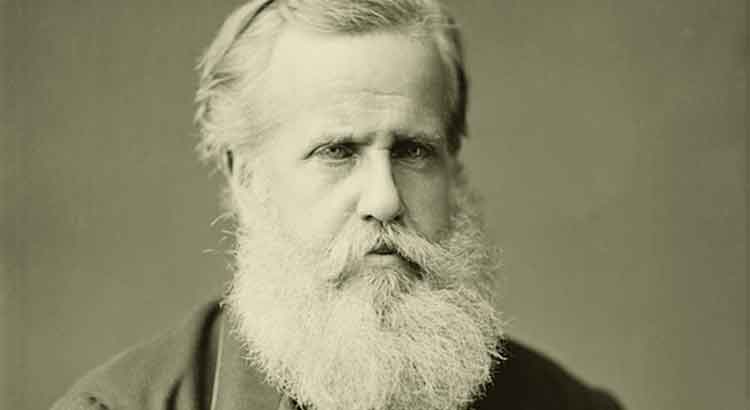
An inexplicable feeling of duty haunts me for a long time and demands me to portray the drama of Dom Pedro II. In my mind, I have already done it in verses, plays, movie scripts… But, in truth, I have done it because I cannot get rid of this obsession. Why? It is funny that, as usual, whenever I finally decide to execute the task, dozens of reasons make me abandon it. And the image of this man keeps coming to my mind while listening to Mozart’s Requiem. Seneca, Socrates and many others whose unjust end is obvious to my eyes do not inspire a similar feeling. It is Pedro II, and it has to be him for some reason. I do not know what to say…
It Is Curious to Note That Many Great Artists…
It is curious to note that many great artists, especially in the 19th and 20th centuries, have had personal relationships with each other. Curious because, something that should configure normality, seems the exception. Previous centuries, in which distances seemed greater, saw themselves more or less dependent on a whim of fate to concentrate superior spirits in certain locations, as has marvelously occurred a few times in history. But still, something more is needed for a friendship to be established. And both whimsy and this something more seem to have abounded in the 19th and 20th centuries, when there were so many great names who knew each other, who were truly friends. I cannot notice it, without feeling sincere glee for all of them.