
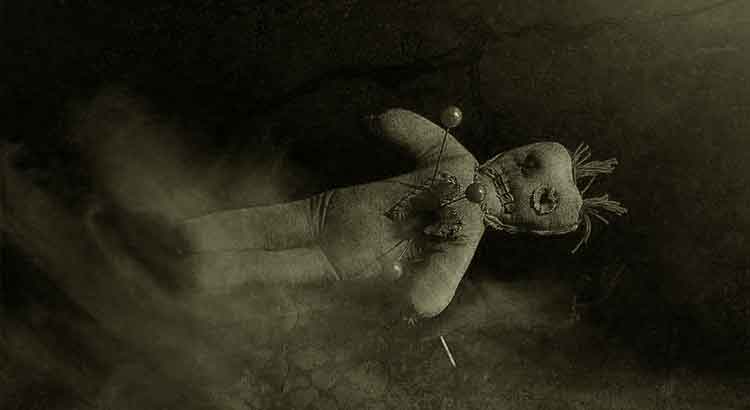
Religious practice loses its nobility when, instead of working for spiritual purification, it serves man as a compensation for the vices routinely practiced or, worse, becomes a vehicle for the expression of all of them. It is natural that man, having evil within himself, seeks means to channel it. But to see religions, that is, practices that should strive to free man from his own misery, giving rise to envy, vanity, revenge, the impulse to affirm oneself to the detriment of others, and countless other lamentable and destructive manifestations, induces immense disgust and the bitter conclusion that the species definitely has no solution.
Tag: religion
Exercicios espirituales, by Ignatius of Loyola
I go through Ignatius of Loyola’s Exercicios espirituales and I cannot help but imagine him composing them in the incredibly miserable conditions described in his biography. The comparison with Frankl is inevitable. If we confront the tenor of these lines, or rather, if we consider these lines as originating in the circumstances surrounding the author, we find an unbreakable psychological strength capable of almost superhuman feats. Finally, we see a method in the conscious effort to give meaning to the miseries experienced, in the continuous affirmation of a vow, in the overcoming of limits, in the transformation of the mind into an indestructible fortress. These Exercicios attest to Ignatius’ absolute victory over his surroundings and himself. Admirable lines!
The Biography of Ignatius of Loyola
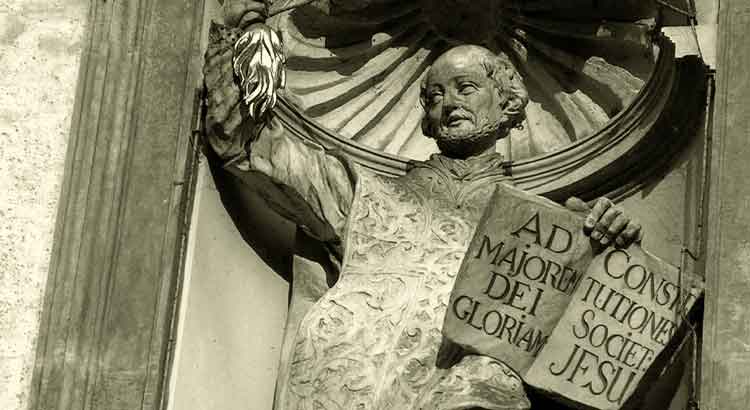
The biography of Ignatius of Loyola seems fictitious. To read it in this century, to read it in the West, observing what the West has become, its great cities, its concerns, is like putting oneself in front of an absurd narrative. It is amazing the simplicity with which stupefying facts are presented in this “Autobiography”, written by Father Luís Gonçalves da Câmara, who limited himself to transcribing what he heard from the mouth of Ignatius. A few times, we read that Ignatius risked his life during his trajectory, but the impression we get is that, since he left his father’s house, he was always under constant threat. Imprisonment, trials, persecution, sickness, incredible poverty… it is hard to imagine harsher conditions for this man reputed to be a saint. The mere fact that he passed the sixth decade of his life, as he did, already seems to us, unaccustomed men, a true miracle.
It Is Really Admirable the Way Swami Vivekananda…
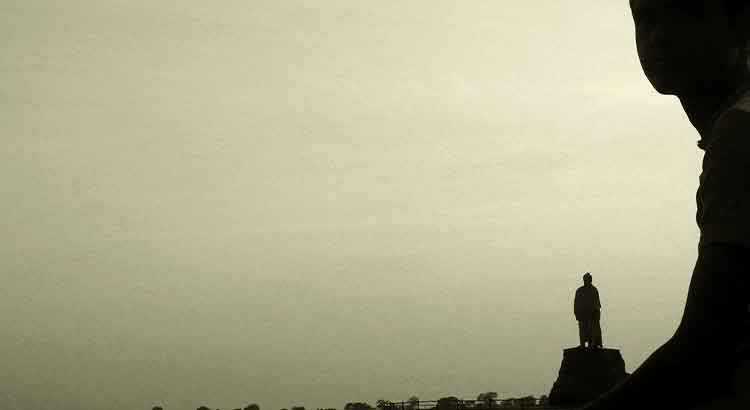
It is really admirable the way Swami Vivekananda interpreted and exposed Hinduism, integrating it, widening its arms and turning it into a legitimate catalyst of positive transformations for the human being. His Raja Yoga is the externalization of a noble, courageous, and stimulating philosophy. Very few authors are capable of deeply understanding the human condition and offering a solution that does not imply forced repression or the fading of the will. Swami Vivekananda, instead of leading to an aggravation of tensions or an eclipse of consciousness, proposes an active mental conduct directed to the elevation of one’s own nature. It builds, magnifies, encourages overcoming. What a great man!