

I have just brought to life a character who knots the thinking and skirts around a terrible pessimism by shouting, “Bravery is to fight a lost war!” From outside the poem, my mind tells me that “dumbness” also fits the metric and rhythm perfectly. That is true, mind, you are right…. But it is curious how reasoning often opposes honor, the latter demanding irrational conduct. “Le cœur a ses raisons que la raison ne connaît point”—Pascal lucidly points out. And there are times when to be rational is also to be mediocre.
Category: Notes
The Poetry of Gonçalves Dias

The flaws in Gonçalves Dias’ poetry are not few. But much more numerous, much more abundant are the passages in which form and expression shine, and the poet unquestionably rises to the level of the best in the Portuguese language. Gonçalves Dias delights, above all, by the sincerity of his poetic expression, which is convincing and has nothing of affectation. An emotional and vigorous poetry, that deservedly was received as the best of its time on a national level and that touches, even more, when supported by a biography worthy of a poet.
The Tragedy of Anarchist Thought
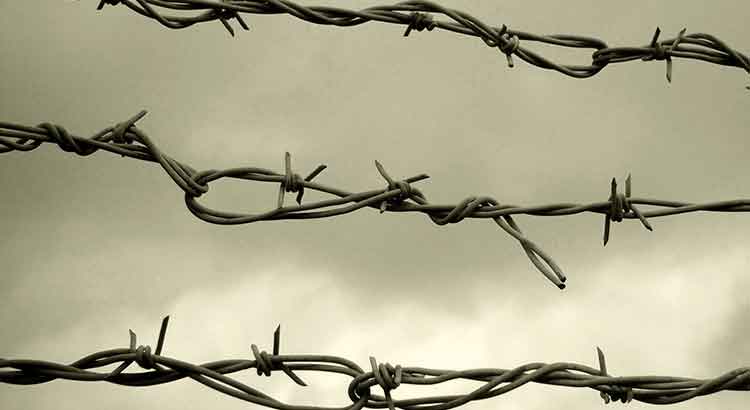
The tragedy of anarchist thought is that the common man is not worthy of freedom. It is necessary to restrain him, to punish him, to subject him to an authority that tells him what he can and cannot do. Starting from the opposite premise, the result is chaos. Rare are those who deserve freedom, those mature enough to bear its consequences. They pay for being superior… But how can we conceive of a world where the common man enjoys full freedom? No, no… no way! The world needs jails and police armed to the teeth.
Nihilism and Anarchism

Nihilism and anarchism start from understandable and justifiable premises. However, as if by an uncontrollable attraction, they both end up tending toward an unjustifiable destructive action, or rather, an action promoting a worse reality. When carried out, nihilism is forced to level a murderer to someone who does not kill,—the opposite would be to admit a moral hierarchy,—which is an effective way to produce monsters. Anarchism, when ingrained in the soul, can only result in a violent response to all kinds of authority—it efficiently destroys, but does not seem capable of erecting on the wreckage something better. They both seem, nihilism and anarchism, doctrines doomed to throw the soul into darkness and materialize terrible deeds—although, on an individual level, they can be necessary stops to reasoning and, if allied to a peaceful nature and opposed to action, can serve as food for intellectual development.