
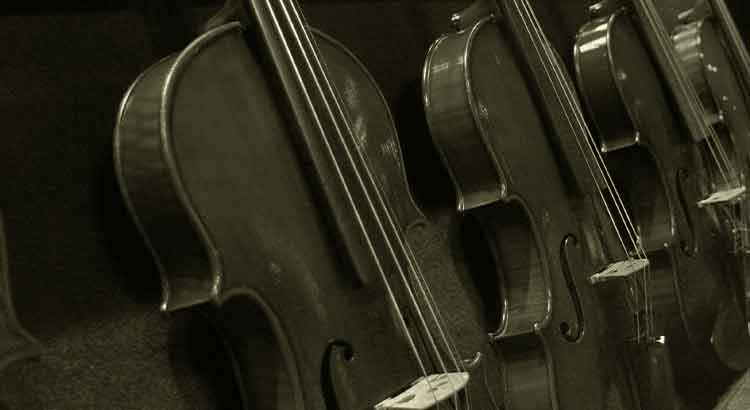
It is indescribable the feeling of seeing, in color, a first-rate orchestra playing. I say see, and I do not know if I should have said feel. The expenditure of incredible sums to maintain it is justified because a top orchestra, depending on where it is located, is almost a cultural salvation. When one feels it, one concludes: there is hope. To witness, simultaneously, dozens of men who dedicate their lives to art; who, after long years of study and intense practice, train, train, and train to, in a very short presentation, transmit to those who see it the genius of noble and immortal spirits that have crossed the centuries. To notice the subtlety of synchronous, precise, and feeling-laden movements; to be silent and let oneself be guided by a sublime melody; to experience a direct contact with something beautiful: an experience of this nature morally elevates the audience that lives it.
Category: Notes
Freedom From One’s Own Ideas
Twenty-six centuries ago, Lao-tze already noted that freedom from one’s own ideas is the mark of the “moderate man,” as my English translation puts it. We could change this adjective to prudent, wise, superior. If there is one trait that distinguishes low, immature, unevolved natures, it is attachment to what they think and believe. From this attachment, —these chains,— which can only be interpreted as a manifestation of vanity and stupid presumption, the days go by, and time does not improve the plastered being, the being hostile to everything new and different. Moderation, if we were to define it in the sense used in this passage from the Tao Te Ching, would be the capacity to give in and accept what is different—an unimaginable virtue for the presumptuous who considers himself to be the center of the universe.
The Ideal Reader
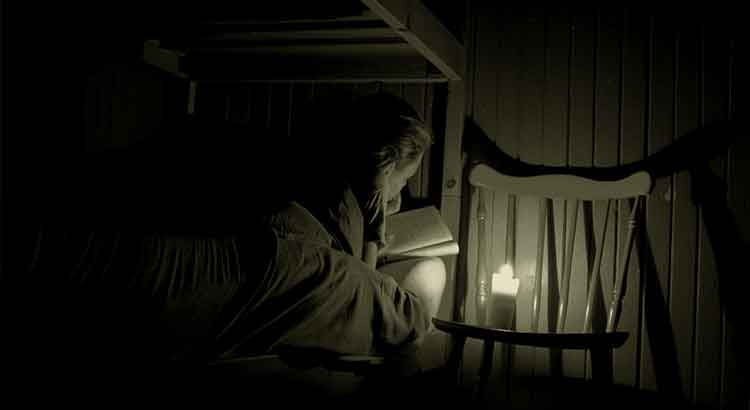
I review my notes and smile at my irritations. The truth is that I consider myself, modesty aside, the ideal reader. When I open a book, the last thing I want is to get irritated with the author. I give him total freedom to say whatever he wants, to create from the absurd to the ridiculous, to break all moral barriers and more as he feels he must do in order to express what he wants. What I do not have—and I am proud of this—is a guidebook for demanding it from whoever I read. I consciously choose readings that appear contrary to what I seem to think. And yet, even with this almost limitless openness, I always end up finding someone who gets on my nerves…
There Is No Vain Page in Tolstoy
I read pages and pages of Tolstoy and my mind seems to wonder, “Why so much time spent elsewhere?” The feeling is that, in Tolstoy, there is no vain page, we are always before characters who confront the essential. They confront, that is, they reason, see and judge the circumstances around them; sometimes they let themselves act unthinkingly, then they bitterly regret the psychological consequences, mulling over the past. The past! always an object of torture, an inexhaustible source of regrets… But what seems to impress most in these constructions so vivid, so full of verve and sincerity, is the meticulous insertion of details that endow them with realism, making them more than convincing. And to think of the mind that produced these thousands of golden pages… is to bow the head and take off the hat.