
Very few saw that Christianity would be the main barrier to prevent the West from being totally dominated by the collectivist ideas that flourished in the last century. Today, a war is raging that would already be lost, were it not for the honorable Christian resistance. The historical moment is already clear, and too interesting to ignore: after decades of insults and loss of prestige, only Christianity seems to have forged strong enough bonds to supplant this plague called communism. Who would have thought it! In a secular world, it was precisely religion saving it from totalitarian oppression that allowed it to progress to unprecedented levels. Historians will have to do justice, should the West be freed from the disgrace and misery that threatens it, and credit Christianity with avoiding what would perhaps be the most infamous and darkest chapters of human dignity.
Although Historically Pessimism Has…

Although historically pessimism has an incredible success rate, there is no denying that it fails and is unable to see important turning points. To say with Carlyle, history shows a process in which lies are repeatedly buried. The pessimist will say, and perhaps rightly so, that new lies will take their place. But it is clear that there is something beneficial in the process, that is, that a lie, losing its strength, makes room for something new to flourish, something previously prevented by the limiting and coercive action of the false. With this, new possibilities; man wins, and history wins. On the other hand, time really seems to induce a balance between excitement and disenchantment. The prudent thing, therefore, is to set aside extreme judgments.
Demons Became a Masterpiece…
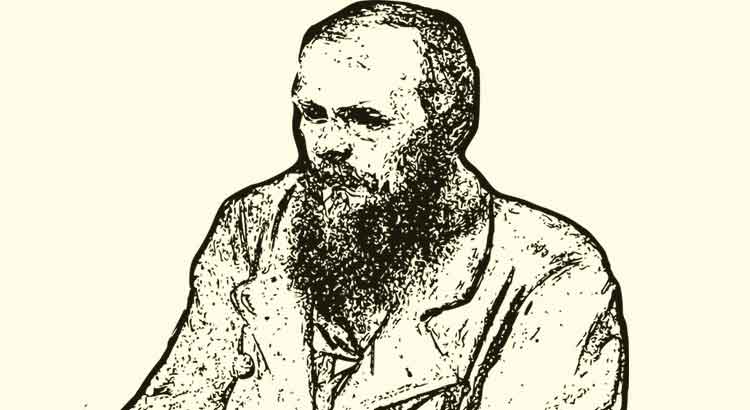
It would be interesting to analyze how Demons became a masterpiece despite being conceived by Dostoevsky for ostensibly pamphleteering purposes. It is a real feat that this has happened, since the most likely destination of a work motivated in this way is the trash can. It is impressive not only Dostoevsky’s ability to give scope to the episode, but also the sense of urgency and importance only possible in a true visionary. The work, therefore, ended up being strengthened by the same qualities that ordinarily foul it up. More than a real, complex, original and profound plot, it came out as a denouncement and a prophecy, being equally valuable to philosophers, psychologists and historians. Very few are the works of which one can say the same.
It Is Very Difficult, Today, Not to Sympathize…
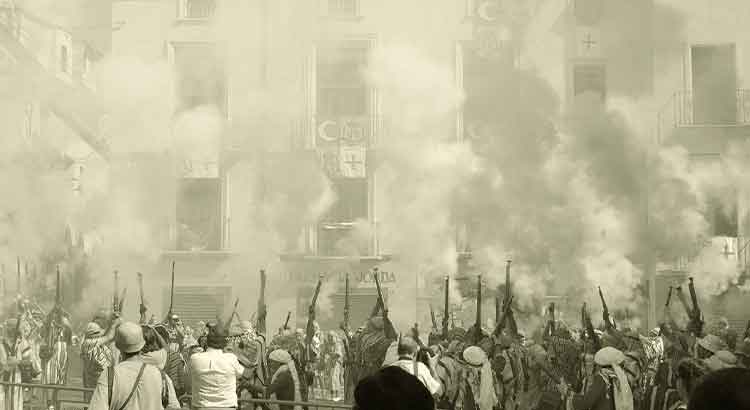
It is very difficult, today, not to sympathize with those targeted by the fury of the imbeciles. It is the same feeling inspired by a cowardly action: one instinctively sides with the weaker side. And to see all these public lynchings, all this rabid infamy that tears down reputations and careers overnight, and always insatiable, always looking for the next target, is something that arouses in equal measure disgust and revolt. Who allowed such stupids to have a voice? Even theoretically, the results of Rousseau’s wretched demagogy are all too obvious; but observing them in practice, effective and acclaimed, can only lead to utter misanthropy.