
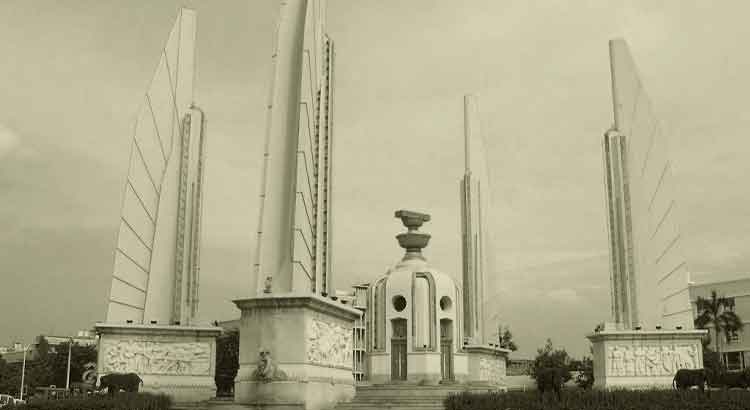
Although it is a fifth-rate topic, investigating the origin of the political ideologies that run in the mouths of the masses teaches a bit about the moral corruption of man. The perversity and cynicism of those who give birth to ideologies is astonishing to the most hardened of moralists. Control freaks, experts in the very efficient science of lying, have stripped politics of any morality and turned it into the simple art of machination. It is surprising to see them, with absolute impudence, proclaiming false narratives that cover the vilest interests and that effectively condemn to misery those they ask for—and get!—support. It is a depravity without limits. Instructive, however, as it teaches how low man can sink.
It Seems Certain That, One Day, Brazil Will Make…
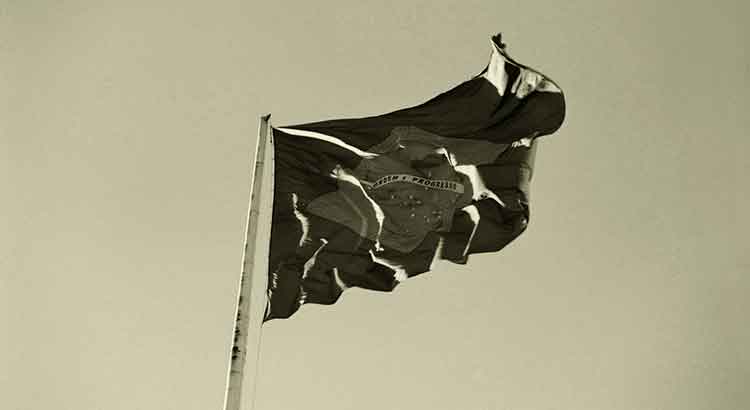
It seems certain that, one day, Brazil will make the Brazilian language official, since time inevitably particularizes the language spoken in different lands, making idiomatic unity increasingly difficult. There are, in this, many plausible reasons and many mistakes. The first of these is the assumption that a language must have a “unity”, that is, it must be spoken in the same way unanimously. It is laughable to think that, if such a Brazilian language becomes official, it will not be susceptible to the same regional variations and the same evolutionary processes that all widely spoken languages have undergone and will undergo. One has to be very ignorant to suppose that some pens will guide the language spoken in the streets, when it is this that, ultimately, guides the grammars. Stupid measures like this latest orthographic agreement only make it more evident. On the other hand, it is understandable and even natural that a nation long for an authentic expression. But one must be very careful to distinguish to what extent this authenticity represents a necessary evolution, rather than a sudden break with the roots that allowed it to evolve.
It Was Great Artists Who Ran the Theaters
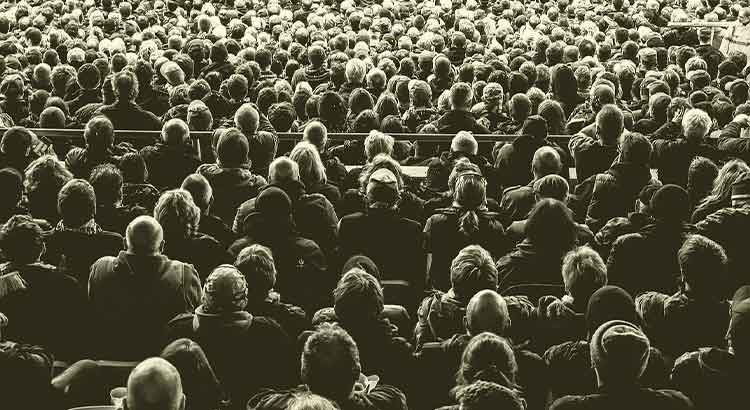
When one looks back and realizes that not so long ago it was great artists who ran the theaters, defined their schedule, and therefore determined the works with which the public would come into contact, one realizes that at some point in history the order changed and great art disappeared from the posters. With honorable exceptions, there has been a complete reversal: in the past, the theater director selected what the public would see; now, the public dictates what the director has to present. Thus, the same places once devoted to art have become houses of entertainment. It is as if the modern world no longer sees the educational potential in art, but concentrates on other interests. If a conclusion is needed, it is that high culture, although now more accessible, no longer knocks by chance on the door of those who do not seek it.
The Artist Who Worries Too Much…
The artist who worries too much about the socio-political conjunctures of his time will soon find himself wasting his intellect with questions he cannot solve, that is, he will waste neurons uselessly and end up frustrated. Of course, this is not very intelligent… If there are issues of this nature that can affect him, the prudent thing to do is just to know about them, be prepared if necessary, and if they do come knocking on his door, adapts as best he can. So act, but only if he have no other option. And for the rest, do not worry about what he does not have control over, focusing on what is most important and what allows him a field of action.