
“L’arte de vivere è l’arte di saper credere alle menzogne” —says, rightly, Cesare Pavese. To act, it is necessary to believe; there is no life without hope, without at least a tiny expectation, a minimum twinkle in the eyes that, upon waking, hopes for a better today than yesterday. Man allows himself to be deluded by psychological necessity; illusions are food for a mind programmed to believe. This is why the analysis of the human being necessarily involves the investigation of the irrational.
“Heroes” Worthy of Contempt
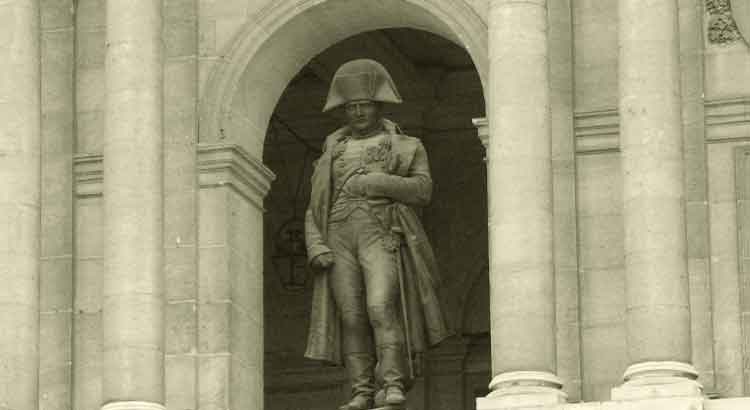
The way in which, in War and Peace, Tolstoy repeatedly scorns the “military genius” who left Russia destroyed, and all his vile admirers, is an overwhelming demonstration of his nobility and moral high-mindedness. The disservice historians do by idolizing murderous madmen, slaves to the most abject ambitions who made human flesh the springboard for their petty desires, presenting them as superior creatures and models of virtue, is worthy of total repulsion. Such historians, mediocre bootlickers, often find the admirable in perverts responsible for astonishing carnages, and narrate it with the pomp of a patriotism clothed in honor—but they are the same ones who, in life, sell honor for public praise and beg on their knees for acceptance.
Reality Reduced to Misery
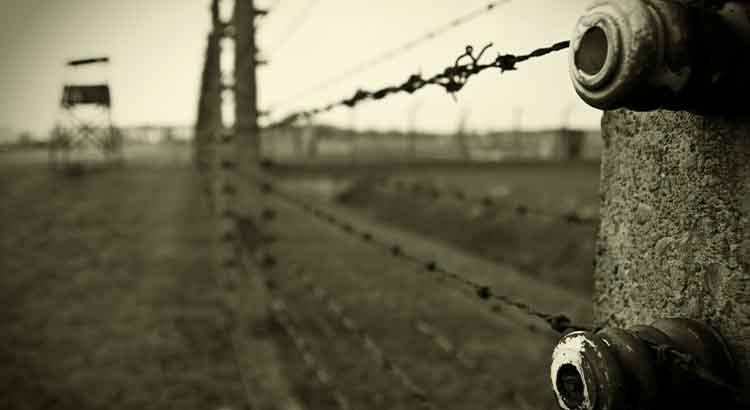
Viktor Frankl, thrown into a Nazi concentration camp, saw his reality reduced to its fullest misery. Rationally, although with an almost superhuman coldness, and although for the sake of survival, for the urgent need to preserve his mental sanity, he set out to view his misfortune through the lens of a scientist. He isolated his mind in a fictitious intellectual bubble and made physical, psychological and moral destruction the object of his investigations. It is, keeping proportions, what every serious investigator of life should do.
This Business of Living, by Cesare Pavese
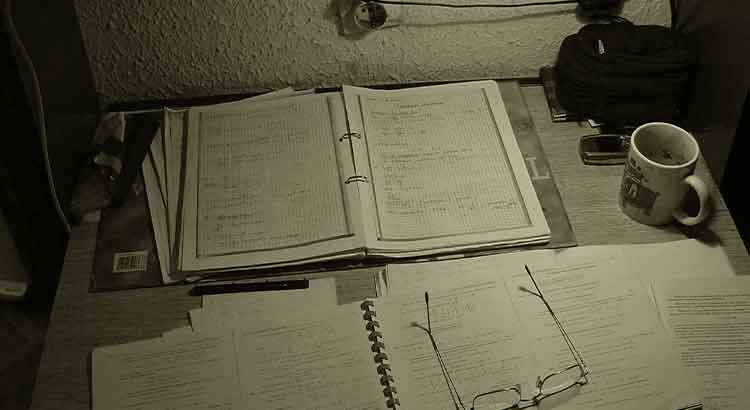
God! So much life in these lines! Yet… it is pitiful. A remarkable spirit struggling, eroding and crumbling amidst fifth-rate yearnings. Clouded by passions that divert his focus and sap his energy, Cesare Pavese exposes, in this diary entitled This Business of Living, an atrocious inner conflict that arouses, at the same time, empathy and pity. Terrible, terrible torments; and the motives unjustifiable, unworthy of the poet’s lineage. On one note, the prudence: “maturità è l’isolation che basta a se stesso”, shortly after, the relapse: “la massima sventura è la solitudine”—manifestations of a spirit that has succumbed to the weaknesses of the race. Too bad, too bad…