
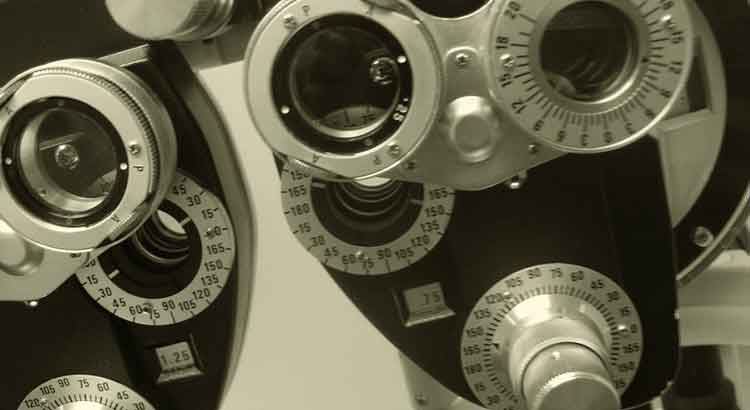
Although, essentially, the human tragedy repeats itself over the centuries, the variations in the scenario, the characters, and the plot are striking. It is as if each epoch had a peculiar pair of lenses. That is why the artist, in complying with the fair recommendation to “belong to his time,” must be very careful not to lose sight of the timeless. In the same way, the particularities of a scenario can generate interest and boredom: everything depends on the proportion in which they are balanced with features that will not wear out over the years.
Tag: literature
The Greatest Human Creation of All Time
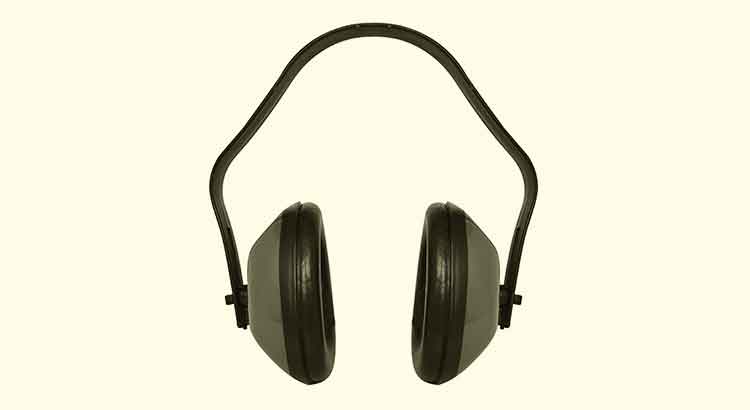
Whenever a man tries to concentrate, something happens to get in his way: this fundamental law of the universe has been tested by me infinite times, and I have always verified its validity. I have analyzed it with more thoroughness than any scientist, and I say without hesitation: it is infallible and has no exceptions. Almost always, the universe sends the human voice as a disturbance, in its most diverse and detestable manifestations. That is why, to me, the greatest elevation of spirit in the history of mankind was that of the —anonymous!—guy who invented this marvel called the acoustic muffler, noise muffler, ear protector, or portable peace—this last name, of course, is how I named it myself. Designed to protect workers who are subjected to noise that can make them deaf, this magnificent invention symbolizes man spitting in his hand and nailing it to the face of the universe. It is the greatest human creation of all time! May this genius, this saint, this enlightened man that history has forgotten be blessed for all eternity!
An Effect That Is Difficult to Match
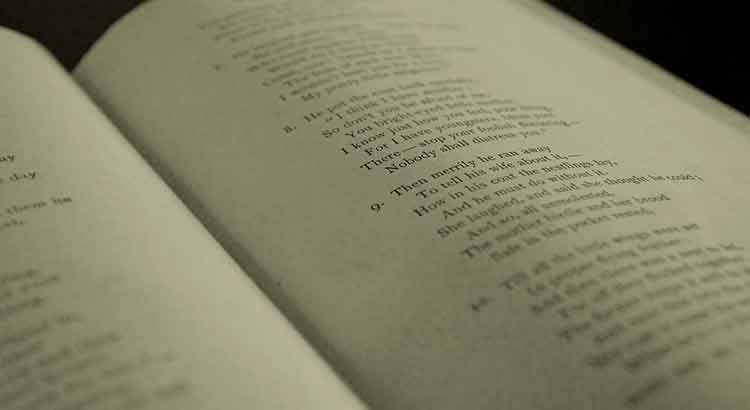
Metrics and, especially, rhythmic regularity deliver an effect that is difficult to match through other expressive resources in poetry. They both seem to stroke and fulfill the demands of the brain as it concentrates on unraveling the meaning of the words and interpreting the syntactical variations of the verses. In regular poetry, small rhythmic variations, drawing attention to themselves, sometimes succeed in emphasizing words and enhancing the expressiveness of some passages in the poem; however, when the rhythmic pattern is ostensibly broken, the disturbance caused seems to divert the mind’s attention from what it should concentrate on—the effect, in short, is aesthetically unpleasant. The rhythm, once grasped, generates an expectation for its continuity—and it is difficult to satisfy the brain by denying what it seems to ask.
An Enemy of the People, by Henrik Ibsen
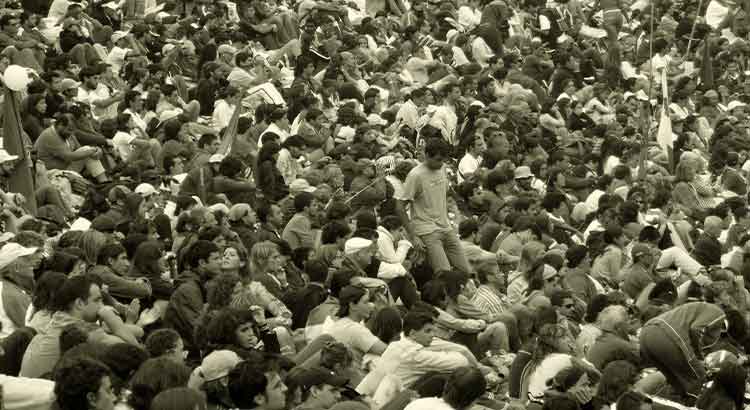
Perhaps this play is a little too obvious. But it is worth asking: how not to be obvious when dealing with characters such as the people, the politicians, and the press? Figures as predictable as regrettable… The plot holds no surprises: an honest man, a free thinker, is crushed by the abominable tyranny of the masses, that “satanic compact majority”, supported by the opportunistic collusion between the abject powerful and the vassals of public opinion—those fearful of rejection. Dr. Stockmann is, like all higher spirits since the repugnant ideas of the philosopher of Geneva took root in the West, the victim of opponents so numerous that it is convenient to classify him as absolutely alone. There are no neutrals against Dr. Stockmann: there are cowards who connive by their silence and aggressive cowards who stone him, camouflaging themselves “under the cloak of the crowd”. Too obvious… The message of the work, however, is irrefutable: anyone who opposes the prevailing tyranny will be hunted to death! Perhaps the title of the work would sound better, instead of “An enemy of the people”, as just “The enemy”. I change my mind: perhaps the play’s brilliance is precisely its obviousness: for it shows what, as a rule, happens to real-life Stockmanns—with the exception, of course, of the play’s fifth act, which is overly optimistic for someone reading it more than a century after its publication…