
Several things can be said about Swedenborg’s visions of heaven and hell, except that they are the work of a deceitful spirit. Swedenborg possesses the supreme virtue of sincerity: he does not try to delude, he does not try to hide, he opens his soul and tries to express himself as clearly as possible—that is, he is a loyal spirit. That is why, above all, he does not deserve to be ironized. In cases like this, the irony is nothing but a creeping manifestation…
Tag: religion
According to Swedenborg, I Will Not Be Accepted Into Heaven
If the didactic explanations of this curious Emanuel Swedenborg proceed, I will not be accepted in heaven. I will not be, and I add: under no circumstances. If not heaven, then… But I reflect: do I necessarily have to be accepted somewhere? Am I forced to yearn for acceptance? Am I condemned from the start to beg for being accepted? If so, the possibility of complete rejection is excluded: someone will have to accept me—and I, naturally, will also have to accept those who accept me: all deprived of volition, condemned to forcibly join a group. Disappointing…
Buddhism Is a Religion for the Wise
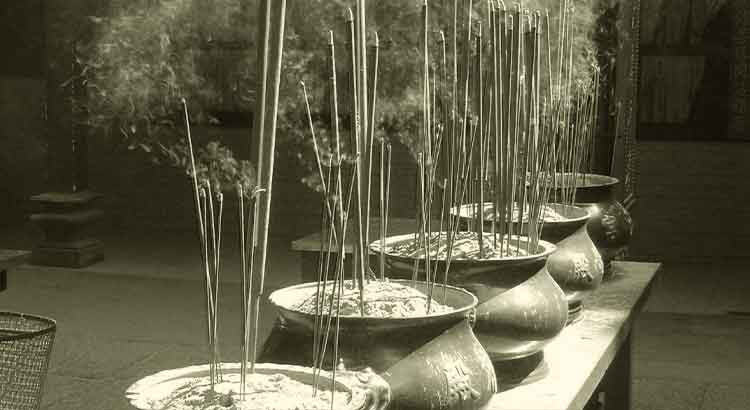
Buddhism is a religion for the wise, which is exactly why it cannot be followed—or even understood—by the masses: it was not shaped for them. To become a Buddhist, one must first think, then be able to choose, to take a path on one’s own initiative. The virtues of a Buddhist are absolutely unpalatable to ordinary human beings, who not only do not understand them, but despise them in their most intimate essence. To detach oneself from worldly pleasures and ties, to root out desire, to take refuge in silence, to purge the mind, to annul the gregarious instinct… all this is repugnant to creatures incapable of thinking and averse to individual effort.
Thomas Carlyle on Mohammed
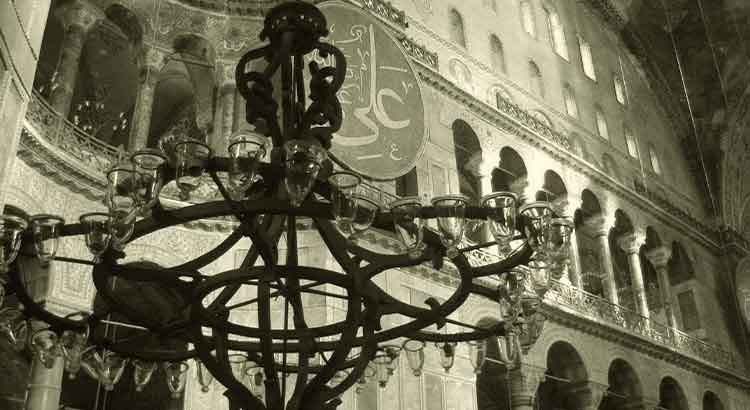
Thomas Carlyle’s essay on Mohammed is remarkable. First, for the superior prose: how impressive to follow him handling the English language! It is a vivid prose, full of expressive images, intelligent and syntactically varied. Then, for Carlyle’s ability to see what others cannot see, for his courage to confront the current, rejecting blind logic and seeking to understand what lies behind and beyond the lines of Mohammed. Very beautiful, very beautiful… it is a pleasant essay to read. In any case, I think I still prefer to sit at Voltaire’s table.